

Why Strawberries?
A great question recently posed to me by a friend, why Strawberries? I have created many cast bronze strawberries over the years. The earliest inspiration I can remember comes from the painting The Garden of Earthly Delights (1490-1510) by Hieronymous Bosch. The painting is a triptych and the central panel depicts a menagerie of people and animals reveling in a beautiful garden. The painting is rich with symbolism, and the very idea that different people from different cultures and times could enjoy the artwork and spend countless hours interpreting the meaning of the imagery has remained appealing to me over the course of my career as an artist and art appreciator.
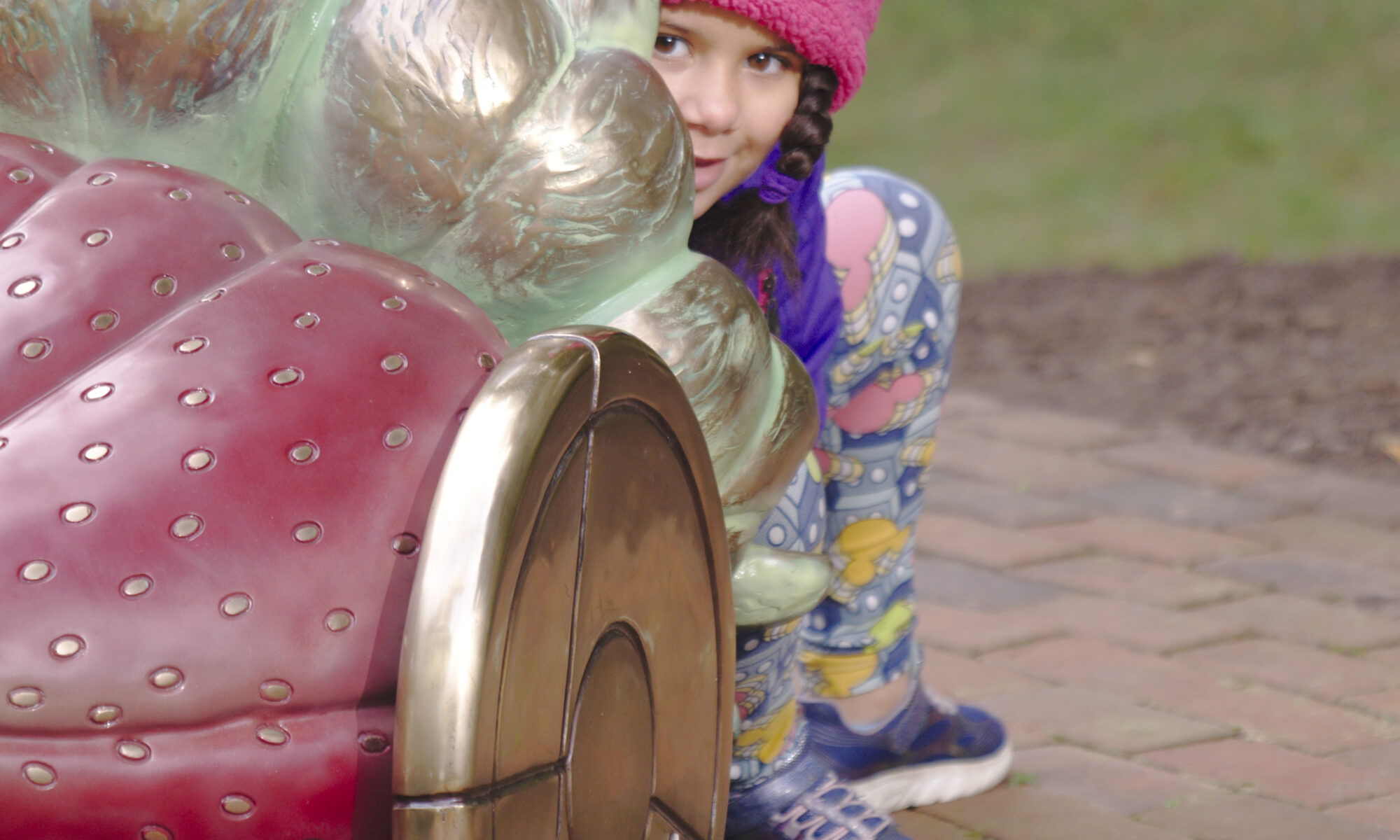
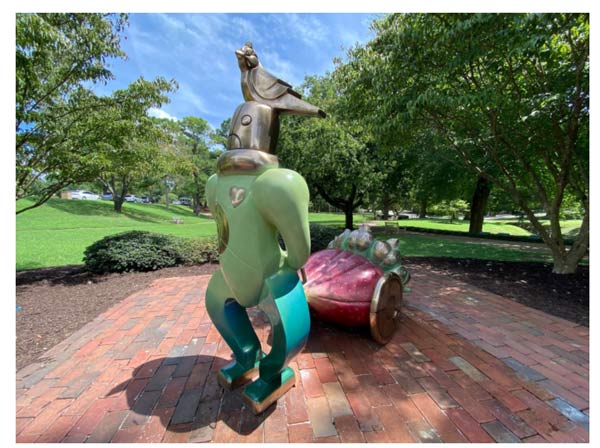
The first bronze strawberry sculpture I created was titled The Rogue Berry. In this case berry takes the form of armor. It’s very torso like, with a bold puffed out chest carapace. The leaves and seeds are polished bronze, and the flesh is polychromed. I was living in the foothills above Los Angeles, CA at the time I created this piece, and it was the first time in my life that I was able to have a garden where I had a half a chance of growing strawberries. I had no idea how hard it would be to start a garden. I dug out rocks from the hard earth in my back yard. I pulled weeds, I tilled the soil and mixed in compost until I had a tiny spot that I thought might bear fruit. I planted the strawberry plants and fought with the hot sun and no rain to keep them alive. I was so happy to see a few little flowers, and eventually some of them became little hard green fruits. Even less of those made it through and ripened. Every day I would check and less berries seemed like they would ever make it to the stage where I could enjoy eating one. I was losing them to the bugs, the birds, the snails, the elements. Finally, one morning it was there! A beautiful, tiny, fragile, red berry perfect for eating! I was with my old dog, BD, short for Black Dog, when I saw it. He saw it too. He looked at me and he looked at the berry – and he ate it. I decided I would not try to grow strawberries anymore. Instead, I would make one. It would be beautiful, delicious, and armored.

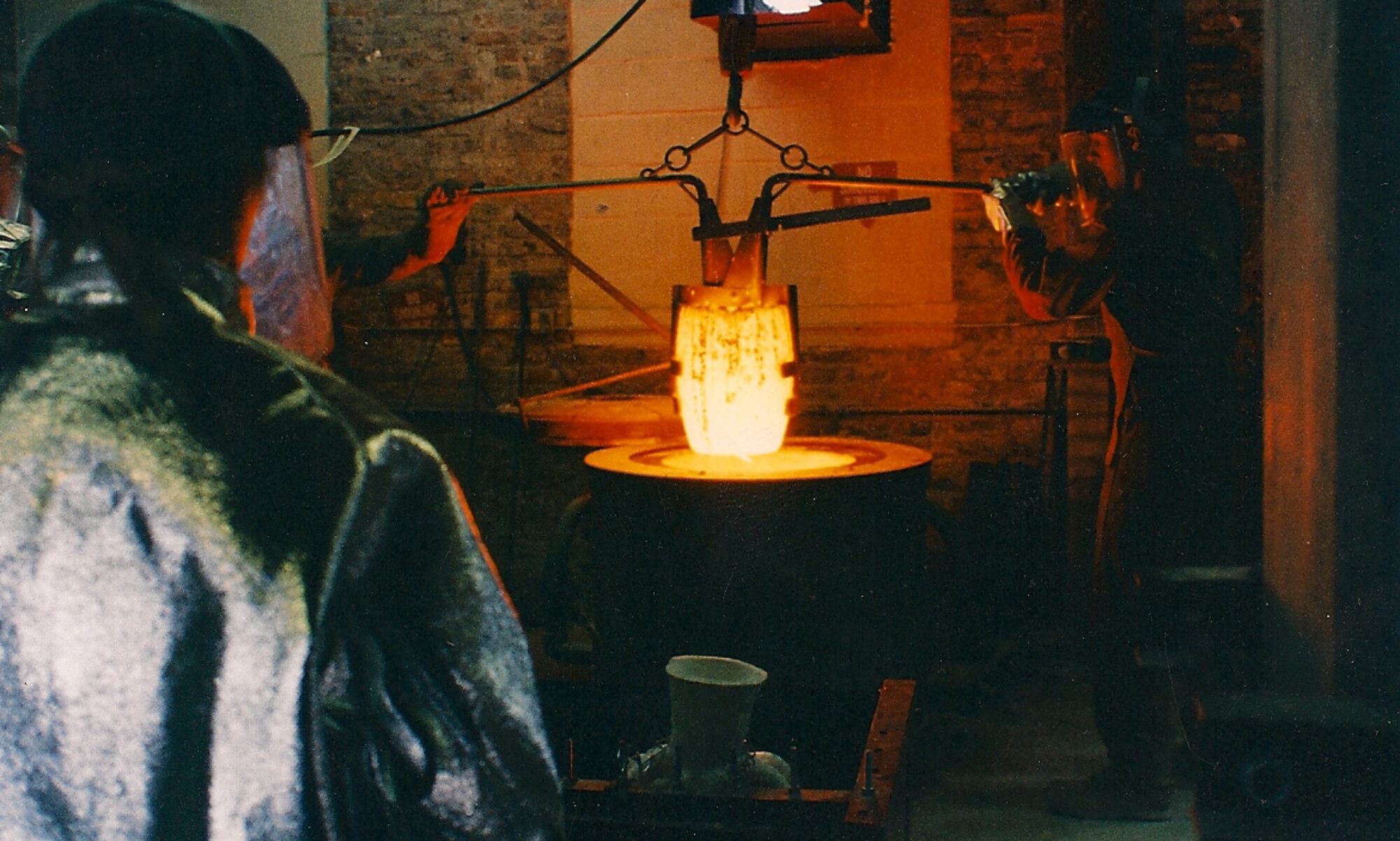
The process of creating a cast bronze sculpture is very labor intensive. There are many steps involved, and from concept to finished artwork can take a very long time. Because the process is very hands on, the mind has time to ask questions. These questions can be the spark for new inspirations.
The big questions that arose during the creation of the Rogue Berry were; Why a torso? Why armored? How is this strawberry like a heart?
Those questions provided the inspiration for BerryHeart. Here we have a cast bronze, armored torso with a window in the area of the heart. Instead of a heart, there is a polychromed red and jewel like strawberry. The armored torse serves to protect this precious object, but it is still on display.
Stay Tuned for more…